by
The Science of Scent: Unveiling the Chemistry Behind Fragrance Creation
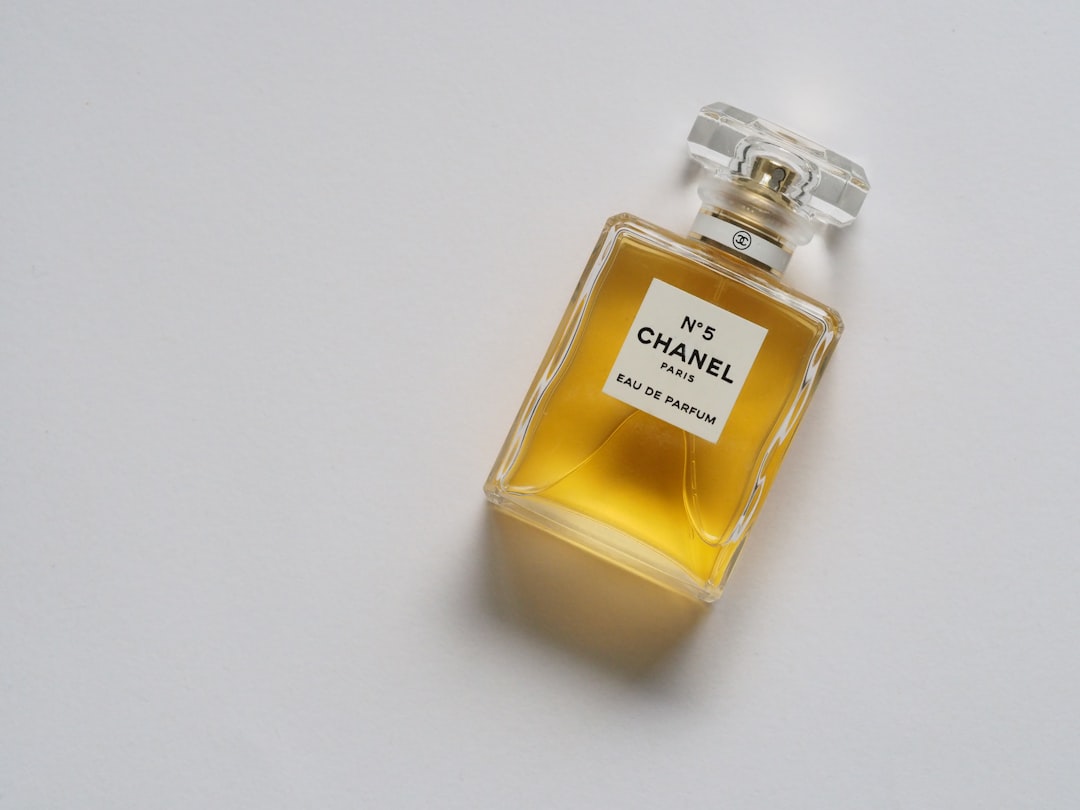
Fragrance has played a significant role in human culture for centuries. From ancient civilizations to modern society, the art of creating and wearing scents has been a cherished tradition. Fragrances have the power to evoke emotions, trigger memories, and enhance our overall well-being. In this blog post, we will delve into the captivating world of fragrance creation and explore the various aspects that make it so intriguing.
Throughout history, fragrance has been used for a variety of purposes. In ancient Egypt, perfumes were considered a luxury and were used in religious rituals and as a symbol of status. The Greeks and Romans also valued fragrances and used them in their daily lives. Perfume-making techniques were refined during the Middle Ages in Europe, and the art of fragrance creation continued to evolve over time.
In today's world, fragrance is an essential part of our personal care routine. We use perfumes, colognes, and scented products to express our individuality and enhance our confidence. Fragrance has become an integral part of our daily lives, from the moment we wake up to the time we go to bed.
Summary
- Fragrance creation involves a complex process of combining raw materials to create a unique scent.
- Understanding the chemistry behind perfume is crucial in creating a successful fragrance.
- Fragrance trends are constantly evolving, with new scents and styles emerging regularly.
- Choosing the perfect fragrance for a date night involves considering personal preferences and the occasion.
- Perfume dupes offer affordable alternatives to high-end fragrances, allowing more people to enjoy their favourite scents.
The Science of Scent: Understanding the Chemistry Behind Perfume
Behind every fragrance lies a complex chemistry that creates its unique scent. Fragrances are composed of various chemical compounds that interact with our olfactory system to produce different smells. These compounds can be derived from natural sources such as flowers, fruits, and spices, or they can be synthetically created in a lab.
The olfactory system plays a crucial role in detecting and processing scents. When we inhale a fragrance, odor molecules bind to receptors in our nose, which then send signals to our brain for interpretation. This process allows us to perceive different scents and associate them with specific memories or emotions.
Fragrances are often classified into different families based on their characteristics. The main fragrance families include floral, oriental, woody, fresh, and citrus. Each family has its own unique scent profile and is composed of specific chemical compounds. For example, floral fragrances are typically composed of compounds found in flowers, while woody fragrances contain compounds derived from trees and other woody plants.
Unveiling the Secrets of Fragrance Creation: From Raw Materials to Finished Product
Creating a fragrance is a meticulous process that involves selecting the right raw materials, blending them together in precise proportions, and testing the final product for quality and performance. Perfumers are skilled artisans who have a deep understanding of fragrance composition and the ability to create harmonious blends.
The first step in fragrance creation is selecting the raw materials. Perfumers have access to a wide range of natural and synthetic ingredients, each with its own unique scent profile. These ingredients can be obtained through various methods such as distillation, extraction, or synthesis in a lab.
Once the raw materials are selected, they are blended together in specific proportions to create the desired scent. Perfumers carefully consider the interactions between different ingredients to achieve a balanced and harmonious fragrance. This blending process requires both creativity and technical expertise.
After the initial blend is created, it goes through a series of tests to ensure its quality and performance. Perfumers evaluate the fragrance's longevity, sillage (the trail left by the fragrance), and overall scent profile. Adjustments may be made to the blend based on these tests until the desired result is achieved.
Once the final blend is approved, it is then diluted with alcohol or other solvents to create different types of fragrances such as eau de parfum or eau de toilette. These different concentrations determine the intensity and longevity of the fragrance when applied to the skin.
Fragrance Trends: Exploring the Latest Scents and Styles
| Category | Trend | Description |
|---|---|---|
| Ingredients | Natural | Increasing demand for fragrances made with natural ingredients such as essential oils and plant extracts. |
| Ingredients | Sustainable | Consumers are looking for fragrances made with sustainable ingredients and packaging. |
| Notes | Floral | Floral scents continue to be popular, with rose and jasmine being particularly trendy. |
| Notes | Gourmand | Fragrances with sweet and edible notes such as vanilla, caramel and chocolate are gaining popularity. |
| Marketing | Personalisation | Brands are offering customised fragrances and packaging to cater to individual preferences. |
| Marketing | Genderless | Gender-neutral fragrances are becoming more common, with a focus on individuality and self-expression. |
Fragrance trends are constantly evolving, influenced by cultural shifts, consumer preferences, and the creative vision of perfumers. Each year, new scents and styles emerge, captivating fragrance enthusiasts and shaping the industry.
One of the current trends in fragrance is the rise of niche perfumes. Niche perfumes are created by independent brands or perfumers and often offer unique and unconventional scent profiles. These fragrances cater to individuals who seek something different from mainstream offerings and value craftsmanship and creativity.
Another trend in fragrance is the use of natural and sustainable ingredients. With growing awareness of environmental issues, consumers are increasingly seeking fragrances that are made with responsibly sourced ingredients and produced using sustainable practices. This trend has led to the rise of eco-friendly and clean fragrances that are free from harmful chemicals.
In terms of scent profiles, there is a growing interest in fragrances that evoke a sense of nostalgia. Scents that remind us of childhood memories or familiar places have gained popularity. These fragrances often feature notes such as vanilla, amber, or musk, which have a comforting and warm quality.
Romantic Scents: How to Choose the Perfect Fragrance for a Date Night
Fragrance plays a significant role in creating a romantic atmosphere. The right scent can enhance your confidence, make you feel more attractive, and leave a lasting impression on your date. When choosing a fragrance for a date night, it's important to consider your personality, style, and the occasion.
Firstly, consider your personality and the image you want to portray. Are you playful and flirty? Sophisticated and elegant? Choose a fragrance that reflects your personality and makes you feel confident. For a playful vibe, opt for fruity or floral scents with a hint of sweetness. If you prefer a more sophisticated aura, go for woody or oriental fragrances with warm and sensual notes.
Secondly, consider the style of the date. Is it a casual outing or a formal dinner? The occasion can influence your choice of fragrance. For a casual date, opt for light and fresh scents that are not overpowering. Citrus or aquatic fragrances are great options for a daytime or outdoor date. For a formal dinner, choose a more sophisticated fragrance with deeper and richer notes. Floral or oriental fragrances with a touch of spice or musk can create an alluring and elegant aura.
Lastly, consider the season and the weather. Fragrances can be influenced by temperature and humidity, so it's important to choose a scent that suits the climate. In warmer months, opt for light and refreshing fragrances that won't become overpowering in the heat. In colder months, choose fragrances with warmer and richer notes that can withstand the lower temperatures.
Perfume Dupes: Finding Affordable Alternatives to High-End Fragrances

Perfume dupes, also known as fragrance dupes or "smell-alikes," are affordable alternatives to high-end fragrances. These dupes are created to mimic the scent of popular and expensive perfumes at a fraction of the price. While they may not be exact replicas, they often capture the essence of the original fragrance.
There are several benefits to using perfume dupes. Firstly, they are much more affordable than high-end fragrances. Perfume dupes allow individuals on a budget to enjoy popular scents without breaking the bank. Secondly, perfume dupes are more accessible as they can be found in drugstores or online retailers. High-end fragrances are often sold in exclusive boutiques or department stores, making them less accessible to some consumers.
When looking for perfume dupes, it's important to do your research and read reviews from trusted sources. Some perfume dupes may not have the same longevity or sillage as the original fragrance, so it's important to manage your expectations. However, many perfume dupes have gained a loyal following and are praised for their similarity to the original scent.
Scent Pairing: Combining Fragrances to Create Unique and Personalized Scents
Scent pairing is the art of combining different fragrances to create a unique and personalized scent. This technique allows individuals to express their creativity and create a fragrance that is truly their own. There are several techniques that can be used in scent pairing, such as layering and mixing.
Layering is the process of applying multiple fragrances on different parts of the body to create a harmonious blend. This technique involves selecting fragrances that complement each other and have similar scent profiles. For example, you can layer a floral fragrance with a woody fragrance to create a balanced and complex scent.
Mixing is another technique used in scent pairing. This involves blending different fragrances together to create a completely new scent. Mixing can be done by spraying two or more fragrances on a blotter or by combining them in a separate container. This technique requires experimentation and an understanding of fragrance composition.
When experimenting with scent pairing, it's important to start with small amounts and gradually build up the intensity. This allows you to control the balance between different fragrances and avoid overwhelming the senses. It's also important to consider the longevity and sillage of each fragrance when pairing them together.
Aromatic Wellness: Using Fragrance to Improve Your Mood and Well-Being
Fragrance has long been used in aromatherapy to promote wellness and improve mood. Different scents have the power to evoke specific emotions and create a calming or energizing atmosphere. Incorporating fragrance into your wellness routine can have a positive impact on your overall well-being.
Certain scents have been found to have specific effects on mood and emotions. For example, lavender is known for its calming properties and can help reduce stress and anxiety. Citrus scents such as lemon and orange are uplifting and can boost mood and energy levels. Sandalwood and patchouli have grounding and relaxing effects, making them ideal for meditation or relaxation.
There are several ways to incorporate fragrance into your wellness routine. One popular method is using essential oils. Essential oils are highly concentrated plant extracts that capture the natural scent and therapeutic properties of plants. They can be used in diffusers, added to bathwater, or applied topically (with proper dilution).
Diffusers are another popular way to enjoy the benefits of fragrance. Diffusers release a fine mist of essential oils into the air, allowing you to inhale the scent and experience its effects. There are various types of diffusers available, including ultrasonic diffusers, nebulizing diffusers, and reed diffusers.
The Future of Fragrance: Innovations and Advancements in Perfume Technology
The fragrance industry is constantly evolving, driven by advancements in technology and changing consumer preferences. Innovations in perfume technology have led to the development of new fragrances and production methods that were once unimaginable.
One of the latest advancements in fragrance technology is the use of synthetic fragrances. Synthetic fragrances are created in a lab using a combination of natural and synthetic ingredients. They offer perfumers more control over the scent profile and allow for the creation of unique and unconventional fragrances.
Biotechnology is another area of innovation in the fragrance industry. Biotechnology involves using living organisms or their components to create fragrances. This approach allows for more sustainable and eco-friendly production methods, as it reduces the reliance on traditional raw materials.
Advancements in fragrance technology have also led to the development of long-lasting fragrances. Perfumers now have access to ingredients that can enhance the longevity and sillage of a fragrance, ensuring that it lasts throughout the day.
The Enduring Appeal of Scent and Its Importance in Our Lives
Fragrance has a timeless appeal that transcends cultures and generations. It has the power to evoke emotions, trigger memories, and enhance our overall well-being. The art of fragrance creation is a fascinating blend of science, artistry, and creativity.
From the chemistry behind perfumes to the process of fragrance creation, there are countless aspects to explore in the world of fragrance. Whether you're interested in the latest trends, creating your own personalized scent, or using fragrance for wellness purposes, there is something for everyone to discover.
As we continue to innovate and push the boundaries of fragrance creation, the enduring appeal of scent remains. Fragrance will always hold a special place in our lives, allowing us to express our individuality and create lasting memories. So next time you reach for your favorite perfume or encounter a captivating scent, take a moment to appreciate the artistry and science behind it.
If you're interested in learning more about the fascinating world of fragrance, you might enjoy reading the article "The Chemistry of Fragrance: How Scents are Created" on xfragrance.co.uk. This informative piece delves into the science behind creating captivating scents and explores the intricate process of blending different aromatic compounds. Discover how perfumers use their expertise to craft unique fragrances that evoke emotions and memories. To delve deeper into the world of fragrance, check out xfragrance.co.uk's blog section, where you'll find a wealth of articles on various fragrance-related topics.
Tags