by
The Science of Scent: Decoding the Psychology Behind Women's Passion for Perfume

The sense of smell, or olfaction, is one of our most powerful and evocative senses. It allows us to detect and interpret a wide range of scents, from the pleasant aroma of freshly baked bread to the pungent smell of a skunk. Our sense of smell is closely linked to our emotions and memories, and can have a profound impact on our daily lives.
When we inhale a scent, molecules from the substance enter our nasal passages and bind to olfactory receptors. These receptors send signals to the brain, which then interprets the scent and triggers an emotional response. This is why certain smells can instantly transport us back to a specific time or place, or evoke strong emotions.
The importance of scent in our daily lives cannot be overstated. It plays a crucial role in our ability to taste food, as our sense of smell is closely linked to our sense of taste. It also helps us navigate the world around us, as certain scents can alert us to potential dangers or indicate that something is spoiled or rotten. Additionally, scent can have a profound impact on our mood and well-being, with certain fragrances known for their calming or uplifting effects.
Summary
- Scent is a powerful tool that can evoke emotions and memories.
- Women's passion for perfume is rooted in psychology and personal identity.
- Fragrance chemistry is a complex science that involves the interaction of multiple compounds.
- Perfume has a rich history that spans thousands of years and has evolved with changing cultural norms.
- Fragrance preferences are influenced by marketing, but affordable luxury and designer-inspired options are available.
The Psychology Behind Women's Passion for Perfume
Women have long been associated with a passion for perfume, and there are several psychological reasons for this. Fragrance has the power to evoke emotions and memories, and women are often more in touch with their emotions than men. Perfume can be a way for women to express their individuality and enhance their mood.
Fragrance has been shown to have a direct impact on our emotions and can even influence our behavior. Certain scents are known for their calming effects, while others can boost energy and confidence. Women may be drawn to perfume as a way to enhance their mood or create a desired emotional state.
Perfume also has the power to evoke memories and create a sense of nostalgia. The olfactory system is closely linked to the brain's limbic system, which is responsible for processing emotions and memories. This is why certain scents can instantly transport us back to a specific time or place, and why women may be more drawn to perfume as a way to create and relive cherished memories.
The Role of Fragrance in Personal Identity
Fragrance can be a powerful tool for self-expression and can play a significant role in shaping one's personal identity. Just as we use clothing and accessories to express our style and personality, fragrance can be used to convey a certain image or evoke a specific emotion.
Choosing a fragrance that aligns with one's personality can help create a sense of authenticity and individuality. Some people may prefer floral scents, which are often associated with femininity and romance, while others may gravitate towards woody or musky scents, which are often seen as more masculine or sophisticated. By selecting a fragrance that resonates with their personal preferences, individuals can use scent as a way to communicate who they are to the world.
Fragrance can also play a role in creating a personal brand. Just as companies use branding to differentiate themselves from their competitors, individuals can use fragrance to stand out and leave a lasting impression. By selecting a signature scent that becomes synonymous with their personal brand, individuals can create a sense of consistency and recognition.
The Science of Fragrance Chemistry
| Chemical Compound | Odor Description | Usage |
|---|---|---|
| Linalool | Floral, sweet, woody | Perfumes, soaps, lotions |
| Limonene | Citrus, fresh, sweet | Cleaning products, air fresheners |
| Cinnamaldehyde | Cinnamon, spicy, sweet | Food flavoring, perfumes |
| Benzaldehyde | Almond, cherry, floral | Food flavoring, perfumes |
| Vanillin | Vanilla, sweet, creamy | Food flavoring, perfumes |
Fragrances are composed of complex chemical compounds that work together to create a specific scent. These compounds can be derived from natural sources, such as flowers or fruits, or they can be synthesized in a lab.
The chemical compounds that make up fragrances are typically classified into three categories: top notes, middle notes, and base notes. Top notes are the initial scents that are detected when a fragrance is first applied, but they evaporate quickly. Middle notes, also known as heart notes, emerge after the top notes have dissipated and are the main body of the fragrance. Base notes are the final scents that are detected and can linger on the skin for hours.
Fragrance chemists, also known as perfumers, use their knowledge of chemistry and scent composition to create new fragrances. They carefully select and combine different chemical compounds to achieve a desired scent profile. This process requires a deep understanding of how different compounds interact with each other and how they will be perceived by the human nose.
The Evolution of Perfume Throughout History
Perfume has a rich and storied history that dates back thousands of years. The use of fragrance can be traced back to ancient civilizations such as Egypt, where perfumes were used for religious rituals and to mask unpleasant odors. Perfume was also highly valued in ancient Greece and Rome, where it was associated with luxury and status.
During the Middle Ages, perfume fell out of favor in Europe due to its association with pagan rituals. However, it continued to be used in the Middle East and Asia, where it was highly prized for its medicinal properties. It wasn't until the Renaissance that perfume made a comeback in Europe, thanks to trade routes that brought exotic ingredients from the East.
In the modern era, perfume has become more accessible to the masses thanks to advancements in technology and production methods. Today, there are countless fragrance options available, ranging from high-end luxury brands to affordable drugstore options.
The Connection Between Fragrance and Emotion

The connection between fragrance and emotion is well-documented and has been studied extensively. Certain scents have been shown to have a direct impact on our emotions and can even influence our behavior.
When we inhale a scent, it travels through our olfactory system and directly stimulates the limbic system in our brain. The limbic system is responsible for processing emotions and memories, which is why certain scents can trigger strong emotional responses or transport us back to a specific time or place.
This connection between fragrance and emotion has led to the development of aromatherapy, a practice that uses scents to promote physical and emotional well-being. Certain fragrances, such as lavender or chamomile, are known for their calming effects and can help reduce stress and anxiety. Other scents, such as citrus or peppermint, are known for their energizing effects and can help boost mood and focus.
Affordable Luxury Fragrances: Finding High-Quality Scents Without Breaking the Bank
While luxury fragrances are often associated with high price tags, it is possible to find high-quality scents without breaking the bank. There are several tips and tricks for finding affordable luxury fragrances that offer exceptional quality at a fraction of the cost.
One way to find affordable luxury fragrances is to look for sales and discounts. Many fragrance retailers offer regular promotions and discounts, especially during holiday seasons or special events. By keeping an eye out for these sales, you can often find high-end fragrances at significantly reduced prices.
Another option is to explore niche fragrance brands. These smaller, independent brands often offer unique and high-quality scents at more affordable prices compared to well-known luxury brands. Niche fragrances are also less likely to be mass-produced, which means you're more likely to find a unique scent that sets you apart from the crowd.
Finally, consider purchasing fragrance samples or travel sizes before committing to a full-sized bottle. Many fragrance retailers offer sample sets or travel-sized bottles that allow you to try out different scents without investing in a full-sized bottle. This can be a cost-effective way to explore different fragrances and find one that suits your preferences.
Designer-Inspired Perfumes: Capturing the Essence of Luxury Brands
Designer-inspired perfumes have gained popularity in recent years as a more affordable alternative to luxury brands. These fragrances are often created to capture the essence of popular designer scents, offering a similar scent profile at a fraction of the cost.
Designer-inspired perfumes are typically created using different ingredients and formulations compared to their luxury counterparts. While they may not have the same level of complexity or longevity as the original scents, they can still offer a similar fragrance experience.
One of the benefits of designer-inspired perfumes is their affordability. Luxury fragrances can often come with a hefty price tag, making them inaccessible to many consumers. Designer-inspired perfumes offer a more budget-friendly option without compromising on scent quality.
Additionally, designer-inspired perfumes can be a great way to experiment with different scents and find one that suits your preferences before investing in a more expensive fragrance. They allow you to explore different fragrance families and discover new scents without breaking the bank.
The Impact of Marketing on Fragrance Preferences
Marketing plays a significant role in shaping our fragrance preferences. The way a fragrance is marketed can influence how we perceive it and whether or not we are drawn to it.
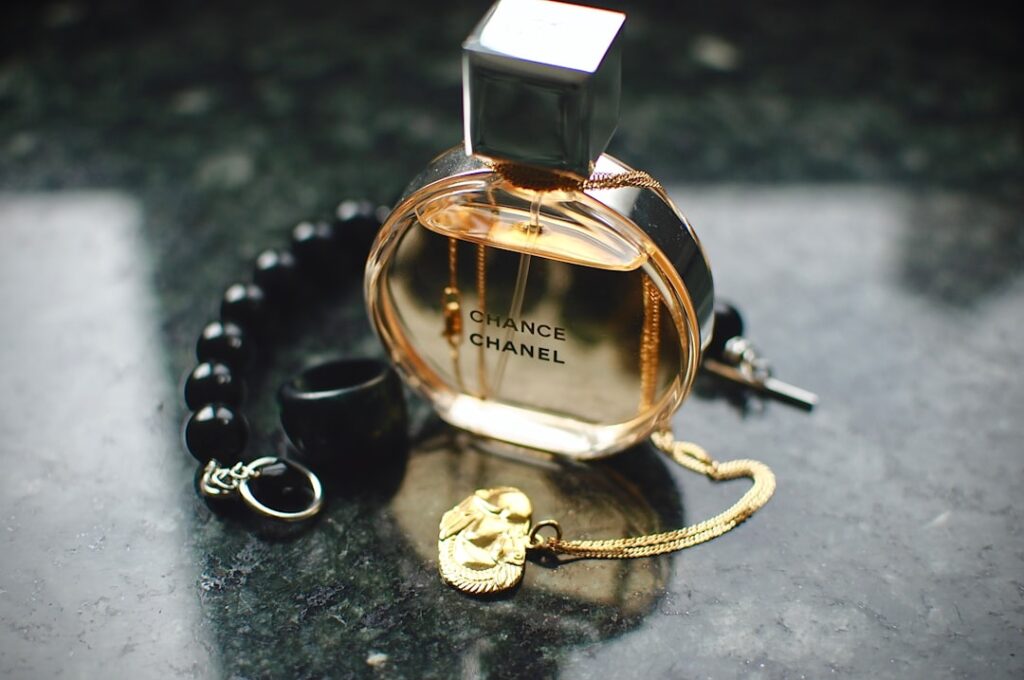
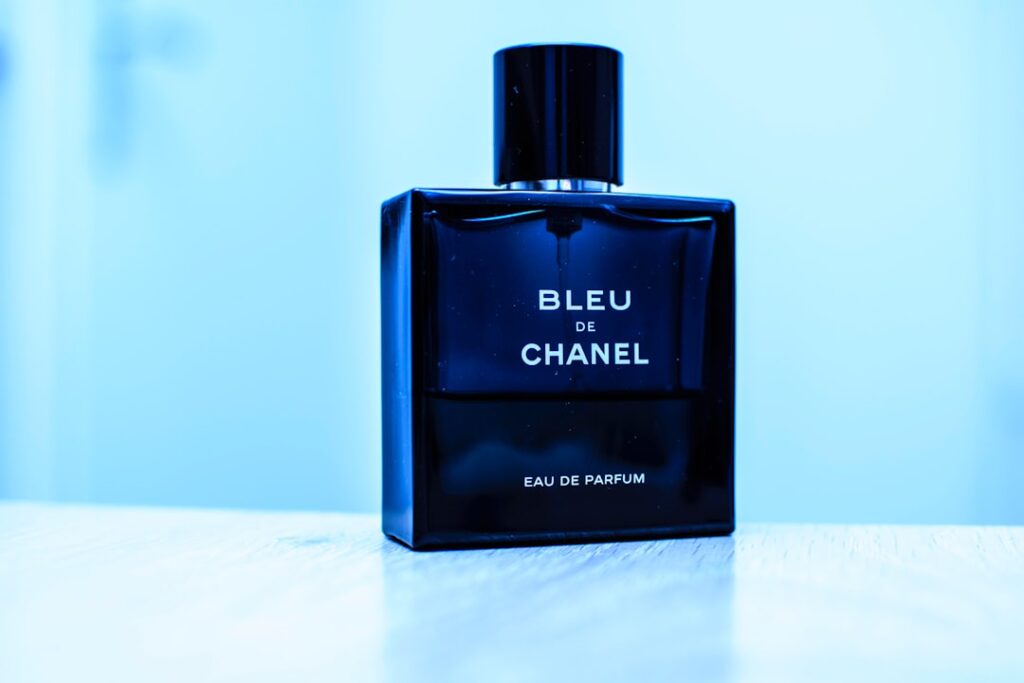
One of the ways marketing influences fragrance preferences is through branding and packaging. The design and aesthetics of a fragrance bottle can create an emotional connection and influence our perception of the scent inside. Luxury brands often invest heavily in packaging design to create a sense of exclusivity and desirability.
Another way marketing influences fragrance preferences is through advertising and celebrity endorsements. Fragrance campaigns often feature well-known celebrities or models, who lend their image and persona to the fragrance. This association with a celebrity can create a sense of aspiration and influence our perception of the scent.
Marketing also plays a role in creating associations between certain scents and specific demographics or lifestyles. For example, fragrances marketed towards men often feature woody or musky scents, while fragrances marketed towards women often feature floral or fruity scents. These associations can influence our perception of a fragrance and whether or not we are drawn to it.
The Future of Fragrance: Trends and Innovations in Perfumery
The fragrance industry is constantly evolving, with new trends and innovations shaping the future of perfumery. One of the current trends in fragrance is the rise of niche and artisanal brands. These smaller, independent brands offer unique and unconventional scents that cater to a more discerning consumer.
Another trend in perfumery is the use of natural and sustainable ingredients. As consumers become more conscious of their environmental impact, there is a growing demand for fragrances that are made with natural and ethically sourced ingredients. This trend has led to the rise of clean and green fragrances that are free from synthetic chemicals and animal testing.
In terms of innovation, technology is playing an increasingly important role in perfumery. Advances in scent synthesis and formulation techniques are allowing perfumers to create new and unique fragrances that were previously not possible. Additionally, there is a growing interest in personalized fragrances, with companies offering custom scent creation based on individual preferences.
The future of fragrance is likely to be shaped by these trends and innovations, as well as by changing consumer preferences and demands. As our understanding of scent and its impact on our well-being continues to grow, we can expect to see new and exciting developments in the world of perfumery.
If you're interested in exploring the fascinating world of perfumes and their impact on our senses, you might also enjoy reading the article "Smell: One of the Most Powerful Senses" on xfragrance.co.uk. This insightful piece delves into the science behind our sense of smell and how it influences our emotions and memories. Discover why certain scents have the power to transport us back in time or evoke strong feelings. To learn more about this captivating topic, click here.
Tags