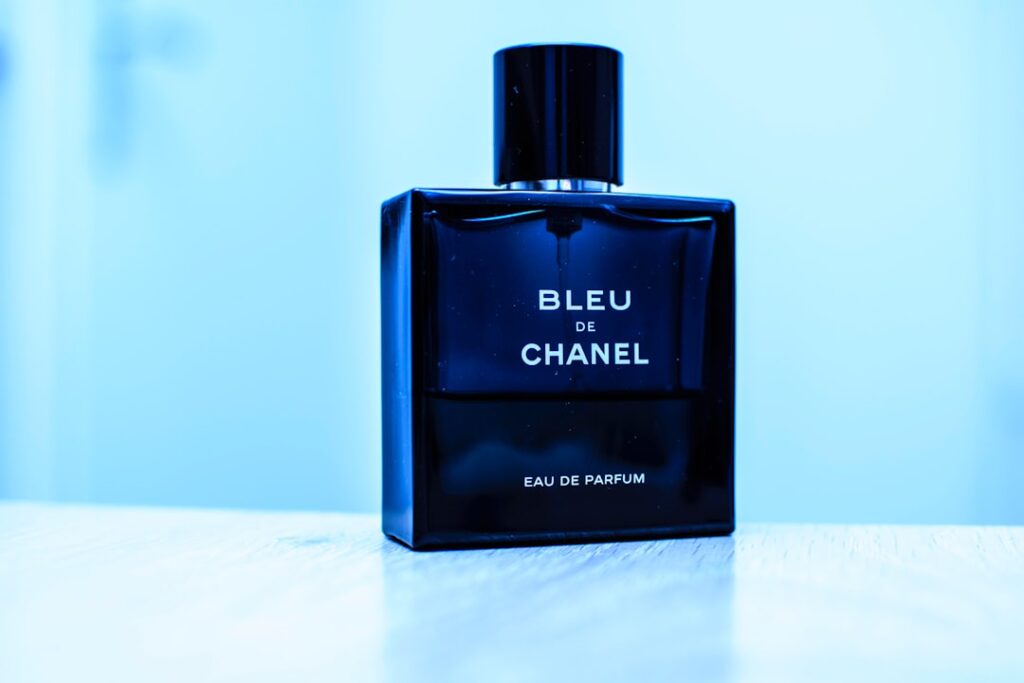
The Influence of April’s Seasonal Blooms on Perfumery
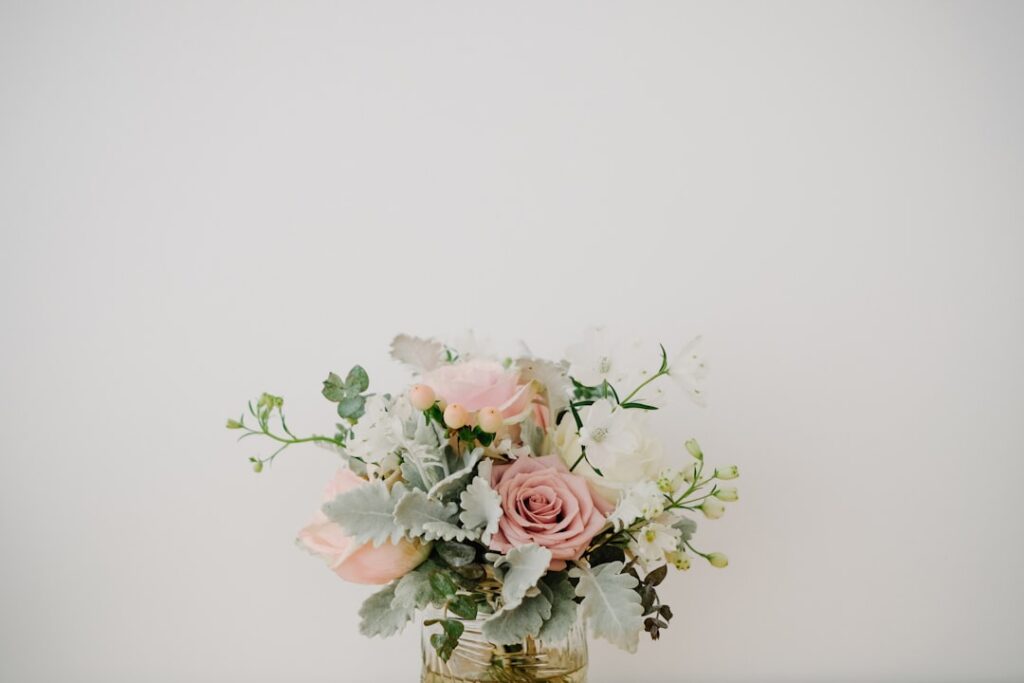
Perfumery has a long history of using seasonal blooms as key ingredients in fragrances. The use of seasonal blooms adds a unique and ephemeral quality to perfumes, capturing the essence of a particular time and place. April is a particularly important month for seasonal blooms in perfumery, as it marks the beginning of spring and the blooming of many beautiful flowers.
The Blossoming of April: A Time of Renewal and Inspiration
April is a time of renewal and growth, making it a perfect time to incorporate seasonal blooms into perfumes. As the winter months come to an end, nature awakens and flowers begin to bloom. This burst of color and fragrance inspires perfumers to create new and unique fragrances that capture the essence of this season of renewal.
The blooming of flowers in April also serves as a source of inspiration for perfumers. The delicate petals, vibrant colors, and intoxicating scents of flowers can evoke a wide range of emotions and memories. Perfumers use these floral notes to create fragrances that transport the wearer to a specific time and place, evoking feelings of joy, romance, or nostalgia.
The Role of Floral Notes in Perfumery
Floral notes are some of the most commonly used notes in perfumery. They add a delicate and romantic quality to fragrances, making them popular choices for both men’s and women’s perfumes. Different floral notes have different scent profiles and can be used to create a wide range of fragrances.
Some popular floral notes used in perfumery include rose, jasmine, peony, lily of the valley, and lavender. Rose is often associated with romance and is used in many classic perfumes. Jasmine has a rich and exotic scent that adds depth and sensuality to fragrances. Peony has a fresh and floral scent that is often used in light and airy perfumes.
X Fragrance: An Example of April’s Seasonal Blooms in Perfumery
X Fragrance is a perfume that incorporates seasonal blooms from April. It is a perfect example of how perfumers use seasonal blooms to create unique fragrances. This fragrance captures the essence of April’s blooming flowers, evoking feelings of freshness, renewal, and joy.
The Scent Profile of X Fragrance: A Delicate and Romantic Bouquet
X Fragrance has a delicate and romantic scent profile. It is perfect for those who want a light and airy fragrance that captures the essence of spring. The fragrance opens with a burst of fresh citrus notes, followed by a bouquet of floral notes that include jasmine, rose, and peony. The base notes add depth and warmth to the fragrance, with hints of musk and sandalwood.
The Key Notes of X Fragrance: Jasmine, Rose, and Peony
Jasmine, rose, and peony are the key notes in X Fragrance. These notes are commonly used in perfumery and are known for their delicate and romantic qualities. Jasmine adds a rich and exotic scent to the fragrance, while rose adds a classic and timeless quality. Peony adds a fresh and floral note that evokes the feeling of walking through a garden in full bloom.
The Benefits of Using Seasonal Blooms in Perfumery
Using seasonal blooms in perfumery has several benefits. Firstly, it adds a unique and ephemeral quality to fragrances. The use of seasonal blooms allows perfumers to capture the essence of a particular time and place, creating fragrances that are truly one-of-a-kind.
Secondly, using seasonal blooms allows perfumers to create new and unique fragrances. By incorporating the scents of blooming flowers, perfumers can create fragrances that are fresh and exciting, appealing to consumers who are looking for something different.
Lastly, using seasonal blooms adds a sense of seasonality to fragrances. Just as fashion changes with the seasons, so too can fragrances. By using seasonal blooms, perfumers can create fragrances that are in tune with the current season, allowing consumers to wear scents that reflect the time of year.
The Sustainability of Using Seasonal Blooms in Perfumery
Using seasonal blooms can be sustainable if done responsibly. Perfumers can work with local farmers to source seasonal blooms, supporting local communities and reducing the carbon footprint of the fragrance industry. By sourcing flowers locally, perfumers can reduce the need for long-distance transportation, which contributes to greenhouse gas emissions.
Furthermore, perfumers can also explore alternative methods of obtaining floral essences, such as through sustainable extraction techniques. This includes methods like steam distillation or solvent extraction, which minimize waste and environmental impact.
The Future of Seasonal Blooms in Perfumery
The use of seasonal blooms in perfumery is likely to continue in the future. As consumers become more interested in sustainability and natural ingredients, perfumers will need to find new and innovative ways to incorporate seasonal blooms into their fragrances.
This may include exploring new extraction techniques or working with local farmers to cultivate specific flowers for perfumery purposes. By embracing the beauty and ephemeral nature of seasonal blooms, perfumers can continue to create fragrances that capture the essence of a particular time and place.
The Enduring Influence of April’s Seasonal Blooms on Perfumery
April’s seasonal blooms have a long and enduring influence on perfumery. They add a unique and ephemeral quality to fragrances, capturing the essence of a particular time and place. As perfumers continue to incorporate seasonal blooms into their fragrances, we can expect to see new and innovative fragrances that capture the essence of April’s blooming flowers. Whether it’s the delicate scent of jasmine, the timeless beauty of rose, or the fresh and floral notes of peony, April’s seasonal blooms will continue to inspire perfumers and delight fragrance lovers for years to come.
Tags