by
The Enduring Fascination of Women's Perfume: Exploring its Timeless Appeal Beyond the Fragrance
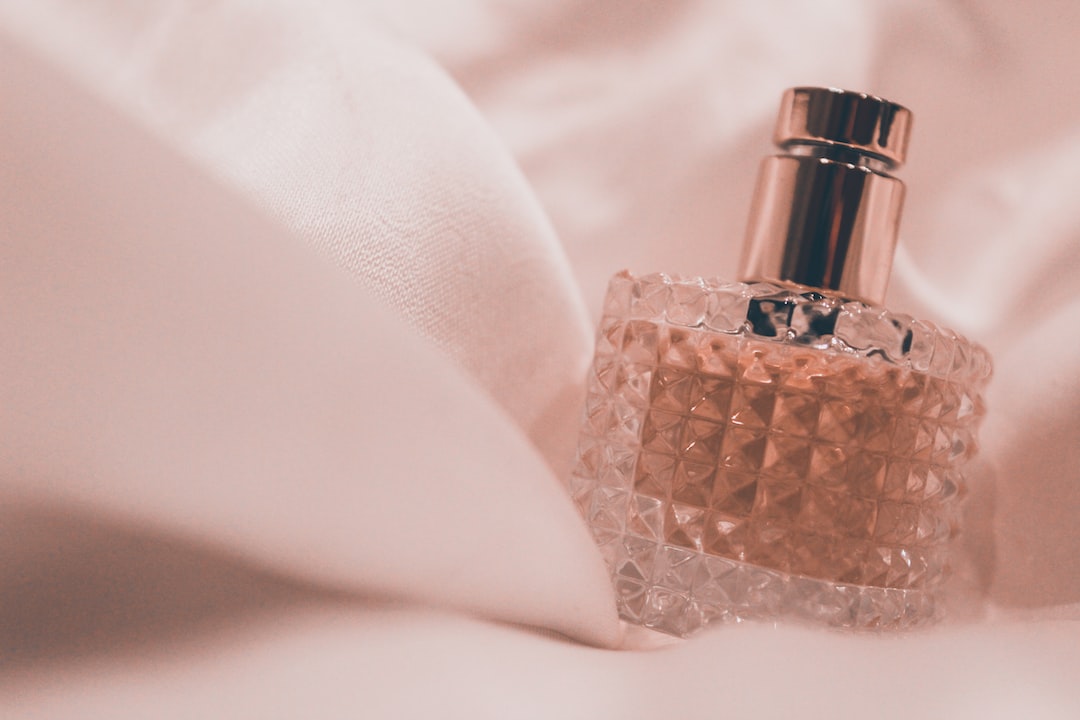
Perfume has been a beloved and essential part of women's beauty routines for centuries. It has the power to evoke emotions, create memories, and leave a lasting impression. In this blog post, we will explore the timeless allure of women's perfume, from its rich history to its impact on our emotions and behavior. We will delve into the art of perfumery, the power of branding, and the rise of affordable luxury and niche fragrances. We will also discuss the role of advertising in perfume marketing and the personal and sensory experience of applying perfume. Finally, we will look towards the future of women's perfume, exploring innovation and sustainability in the fragrance industry.
Summary
- Women's perfume has a rich history that spans centuries and continues to captivate consumers today.
- Perfume has a powerful effect on our emotions and behavior, with different scents evoking different responses.
- The art of perfumery involves a complex process of selecting and blending raw materials to create a finished product.
- Luxury perfume houses use branding to create a sense of exclusivity and appeal to consumers' desire for status and sophistication.
- Affordable luxury fragrances offer high-quality scents at reasonable prices, making luxury perfumes more accessible to a wider audience.
The Timeless Allure of Women's Perfume: A Brief History
The use of perfume dates back thousands of years, with its origins traced to ancient civilizations such as Egypt, Mesopotamia, and China. Perfume was initially used for religious rituals and as offerings to the gods. It was also believed to have medicinal properties and was used for healing purposes.
In ancient Egypt, perfume played a significant role in society. It was used by both men and women and was considered a luxury item. The Egyptians were skilled in the art of perfumery and created complex fragrances using ingredients such as myrrh, frankincense, and rose.
Throughout history, perfume has continued to evolve and gain significance in society. In ancient Greece and Rome, it became associated with beauty and seduction. During the Renaissance period, perfumes were used to mask unpleasant odors due to poor hygiene practices. In the 18th century, perfume became a symbol of wealth and status among the French aristocracy.
The Science of Scent: How Perfume Affects Our Emotions and Behavior
The sense of smell is closely linked to our emotions and memories. Scent has the power to transport us back in time and evoke strong emotions. This is because the olfactory system, which is responsible for our sense of smell, is closely connected to the brain's limbic system, which controls emotions and memories.
Certain scents can have a profound impact on our mood and behavior. For example, lavender is known for its calming properties and is often used in relaxation products. Citrus scents, such as lemon and orange, are invigorating and can help improve focus and concentration.
Pheromones, which are chemical substances produced by the body, also play a role in attraction and sexual desire. Perfumes often contain synthetic pheromones to enhance their allure. These pheromones can create a subconscious attraction between individuals.
The Art of Perfumery: From Raw Materials to the Finished Product
| Raw Materials | Production Process | Finished Product |
|---|---|---|
| Flowers | Extraction | Perfume |
| Fruits | Distillation | Cologne |
| Spices | Enfleurage | Eau de Parfum |
| Woods | Maceration | Eau de Toilette |
| Resins | Percolation | Eau Fraiche |
Creating a perfume is a complex and intricate process that requires skill and expertise. It begins with the selection of raw materials, which can include flowers, fruits, spices, and woods. These ingredients are then extracted to obtain their essential oils, which form the basis of the fragrance.
The next step is blending the essential oils to create the desired scent. This process requires careful consideration of the balance and harmony between different notes. Perfumes are typically composed of three layers or notes: top notes, middle notes, and base notes. The top notes are the initial impression of the fragrance and tend to be light and volatile. The middle notes emerge once the top notes have evaporated and provide the main body of the fragrance. The base notes are long-lasting and provide depth and richness to the scent.
Once the fragrance composition is finalized, it is mixed with alcohol or oil to create the finished product. The perfume is then bottled and packaged for sale.
The Power of Branding: How Luxury Perfume Houses Captivate Consumers
Luxury perfume houses have mastered the art of captivating consumers through branding. They create an aura of exclusivity and sophistication that appeals to consumers' desires for luxury and status. Luxury perfume brands often have a rich heritage and history, which adds to their allure.
Celebrity endorsements and collaborations are also common in the perfume industry. Many luxury perfume brands partner with celebrities to create signature fragrances. These collaborations help to create a sense of aspiration and glamour, as consumers are drawn to the idea of wearing a scent associated with their favorite celebrity.
Limited edition releases are another strategy used by luxury perfume houses to captivate consumers. These limited edition fragrances are often highly sought after and create a sense of urgency and exclusivity.
Affordable Luxury Fragrances: High-Quality Scents at Reasonable Prices

In recent years, there has been a rise in affordable luxury perfume brands that offer high-quality scents at reasonable prices. These brands aim to make luxury fragrances more accessible to a wider audience.
Affordable luxury perfume brands prioritize quality ingredients and craftsmanship in their fragrances. They often use similar raw materials and production techniques as luxury perfume houses but at a lower price point. This allows consumers to experience the luxury and sophistication of high-end perfumes without breaking the bank.
The Rise of Niche Perfumes: Unique Scents for Discerning Consumers
Niche perfumes have gained popularity in recent years, offering unique and unconventional scents for discerning consumers. Niche perfume brands focus on creating fragrances that stand out from mainstream offerings and cater to individuals who seek something different.
Niche perfumes often use rare and exotic ingredients, resulting in complex and distinctive fragrances. These scents are not mass-produced and are typically only available in select boutiques or online. This exclusivity adds to their appeal, as consumers are drawn to the idea of wearing a fragrance that is not widely known or worn by others.
Designer-Inspired Perfumes: Capturing the Essence of Iconic Brands
A trend that has emerged in the perfume industry is the creation of perfumes inspired by designer fashion brands. These perfumes aim to capture the essence and style of iconic fashion houses in a fragrance.
Creating a perfume inspired by a designer brand is a challenging task, as it requires capturing the brand's identity and translating it into a scent. Perfume houses must carefully study the brand's aesthetic, values, and target audience to create a fragrance that aligns with the brand's image.
The Role of Advertising in Perfume Marketing: From Print to Social Media
Perfume advertising has evolved over the years, from traditional print ads to social media campaigns. Print ads often feature visually stunning imagery and storytelling to create an emotional connection with consumers. They aim to evoke desire and aspiration, showcasing the lifestyle and image associated with the fragrance.
In recent years, social media has become a powerful platform for perfume marketing. Perfume brands use platforms such as Instagram and YouTube to engage with consumers and create a sense of community. They often collaborate with influencers and beauty bloggers to promote their fragrances and reach a wider audience.
The Ritual of Applying Perfume: A Personal and Sensory Experience
Applying perfume is a personal and sensory experience that allows individuals to express their individuality and enhance their mood. The act of applying perfume can be seen as a ritual, as it involves taking time to select a fragrance that resonates with one's personality and preferences.
The sensory experience of applying perfume involves not only the sense of smell but also touch and sight. The feel of the bottle in one's hand, the sound of the spray or dabbing motion, and the visual beauty of the packaging all contribute to the overall experience.
Perfume can also become part of one's personal identity and signature scent. Many individuals have a specific fragrance that they are known for, which becomes associated with their presence and leaves a lasting impression on others.
The Future of Women's Perfume: Innovation and Sustainability in the Fragrance Industry
The future of women's perfume is likely to be shaped by innovation and sustainability. As consumers become more conscious of their environmental impact, there is a growing demand for sustainable and eco-friendly perfume production.
Perfume houses are exploring new ways to create fragrances using natural and sustainable ingredients. They are also investing in research and development to find alternative methods of extraction and production that minimize environmental impact.
Technology is also playing a role in the future of perfume. Perfume houses are using advanced techniques such as molecular distillation and synthetic biology to create unique and innovative fragrances. These technologies allow for the creation of scents that were previously impossible to obtain.
Changing consumer preferences may also have an impact on the perfume industry. As consumers become more individualistic and seek unique experiences, there may be a shift towards personalized fragrances and bespoke perfumery.
Women's perfume has a timeless allure that has captivated individuals throughout history. Its ability to evoke emotions, create memories, and leave a lasting impression makes it an essential part of women's beauty routines. From its rich history to its impact on our emotions and behavior, perfume has a profound influence on society.
The art of perfumery, the power of branding, and the rise of affordable luxury and niche fragrances have all contributed to the enduring appeal of women's perfume. Advertising plays a crucial role in perfume marketing, from print ads to social media campaigns that engage with consumers on a personal level.
The ritual of applying perfume is a sensory experience that allows individuals to express their individuality and enhance their mood. The future of women's perfume is likely to be shaped by innovation and sustainability, as consumers become more conscious of their environmental impact.
In conclusion, women's perfume will continue to hold a special place in our hearts and society for years to come. Its ability to evoke emotions, create memories, and leave a lasting impression ensures its enduring appeal.
If you're fascinated by the timeless allure of perfume for women and want to delve deeper into the world beyond just the scent, you'll love this related article from X Fragrance. Discover the importance of a man's smell when meeting for the first time and how it can leave a lasting impression. Explore the link between fragrance and attraction, and learn how to make a memorable impact with your signature scent. To read more, visit https://xfragrance.co.uk/how-important-is-a-mans-smell-when-meeting-for-the-first-time/.
Tags