by
From the Garden to the Bottle: The Journey of a Spring Scent
Perfumery is an ancient art that dates back thousands of years. The use of fragrance can be traced back to ancient civilizations such as Egypt, Mesopotamia, and India, where it was used for religious ceremonies, beauty rituals, and even as a form of currency. Over time, perfumery evolved and became more sophisticated, with the development of new techniques and the discovery of new ingredients.
Fragrance plays a significant role in our lives. It has the power to evoke memories, create moods, and enhance our overall well-being. Whether it's the scent of freshly cut flowers, the aroma of a delicious meal, or the fragrance of a loved one, smells have a profound impact on our emotions and can transport us to different times and places.
The Inspiration for X Fragrance: A Spring Garden
The inspiration for X fragrance came from a beautiful spring garden filled with an array of vibrant flowers. Picture a garden bursting with roses, jasmine, lilies, and lavender. The air is filled with their intoxicating scents, creating a sensory experience that is both uplifting and calming.
To capture the essence of this garden in a fragrance, the perfumer carefully selected and combined different notes to create a harmonious blend. The top notes include the fresh and citrusy scent of bergamot and the sweet floral aroma of neroli. The heart notes feature the delicate scent of rose petals and the rich and creamy aroma of ylang-ylang. Finally, the base notes include the warm and earthy scent of sandalwood and the sweet and musky aroma of vanilla.
The Raw Materials: Harvesting and Extracting Essential Oils
The raw materials used in X fragrance are essential oils extracted from various plants. These oils are obtained through different methods such as steam distillation, solvent extraction, or cold pressing.
For example, the essential oil of rose is extracted through steam distillation. The petals of the rose flowers are placed in a still, and steam is passed through them. The steam carries the volatile compounds of the rose petals, which are then condensed and collected as rose essential oil.
Similarly, the essential oil of lavender is obtained through steam distillation. The flowers of the lavender plant are placed in a still, and steam is passed through them. The steam carries the aromatic compounds of the lavender flowers, which are then condensed and collected as lavender essential oil.
The Perfumer's Palette: Blending and Creating the Scent
Creating a fragrance is a complex and artistic process that requires skill, creativity, and a deep understanding of different scents and their interactions. The perfumer starts by selecting the essential oils that will form the base of the fragrance. These oils are chosen for their individual characteristics and their ability to blend well with other oils.
Once the base oils are selected, the perfumer begins blending them together to create a unique scent. This process involves carefully measuring and combining different amounts of each oil to achieve the desired balance and harmony. The perfumer may also add other ingredients such as synthetic aroma chemicals or natural isolates to enhance certain aspects of the fragrance.
Throughout the blending process, the perfumer constantly evaluates and adjusts the scent, making small tweaks to achieve the perfect balance. This iterative process can take weeks or even months until the desired fragrance is achieved.
The Importance of Quality Control: Testing and Refining the Fragrance
Quality control is a crucial aspect of the fragrance industry. It ensures that each batch of fragrance meets the highest standards of quality and consistency. In the case of X fragrance, rigorous testing was conducted to ensure that it met these standards.
The fragrance was tested by a panel of experts who evaluated its scent, longevity, and overall performance. They also assessed its compatibility with different skin types and its stability over time. Any issues or inconsistencies were identified and addressed, and the fragrance was refined accordingly.
Additionally, consumer testing was conducted to gather feedback and opinions from potential customers. This feedback was invaluable in refining the fragrance and making any necessary adjustments to ensure its appeal to the target market.
The Packaging: Designing the Bottle and Label

The packaging of a fragrance is an essential part of its overall presentation. It not only protects the fragrance but also serves as a visual representation of the scent and its story. The design process for X fragrance's bottle and label involved careful consideration of the fragrance's inspiration and brand identity.
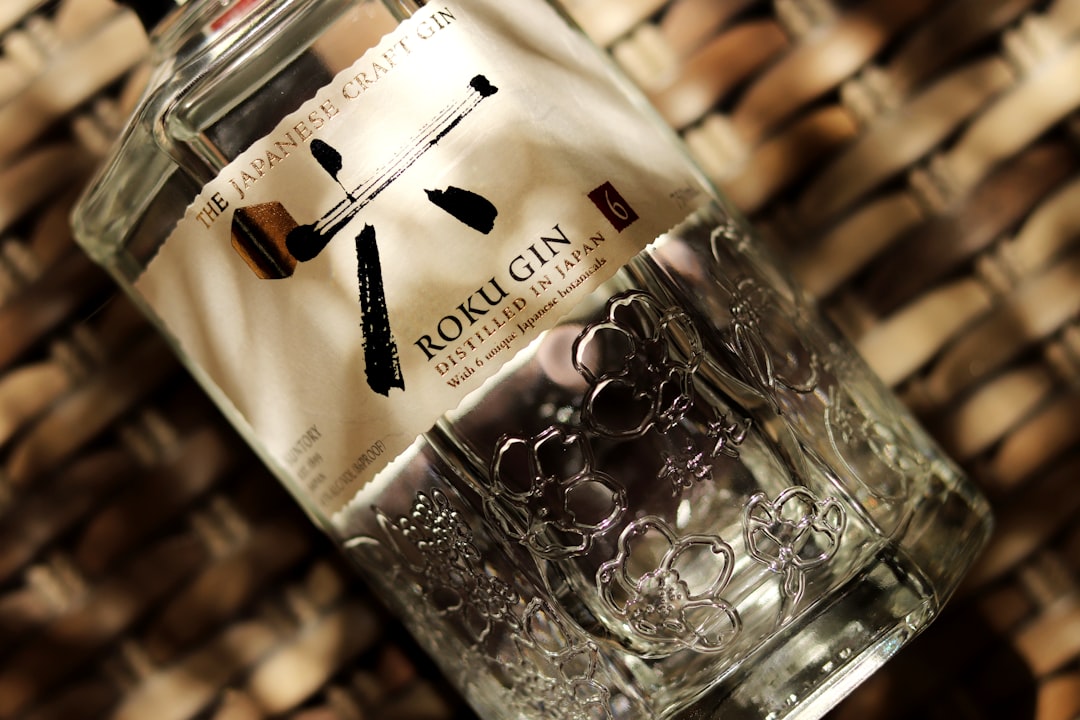
The bottle was designed to reflect the beauty and elegance of the spring garden that inspired the fragrance. It features a sleek and modern shape with delicate floral motifs etched into the glass. The cap is adorned with a single rose, symbolizing the heart of the fragrance.
The label was designed to convey the story and brand identity of X fragrance. It features a vibrant watercolor illustration of the spring garden, with each flower representing a different note in the fragrance. The typography is elegant and sophisticated, reflecting the high-quality nature of the fragrance.
The Marketing: Creating a Story and Brand Identity
Storytelling plays a crucial role in fragrance marketing. It helps create an emotional connection between the consumer and the fragrance, making it more memorable and appealing. In the case of X fragrance, a captivating story was created to engage consumers and convey the essence of the scent.
The story revolves around a young woman who discovers a hidden garden filled with enchanting flowers. As she explores the garden, she is captivated by their intoxicating scents, which transport her to a world of beauty and tranquility. Inspired by this experience, she works with a perfumer to create a fragrance that captures the essence of this magical garden.
This story not only creates intrigue but also establishes a strong brand identity for X fragrance. It positions the fragrance as a luxurious and transformative experience, appealing to those who seek beauty, elegance, and a touch of magic in their lives.
The Distribution: Getting X Fragrance to Market
The distribution process for fragrances involves getting the product from the manufacturer to the retailers and online platforms where it will be sold. In the case of X fragrance, a carefully planned distribution strategy was implemented to ensure its availability to the target market.
The fragrance was initially launched in select high-end department stores and specialty boutiques. This allowed the brand to establish a presence in the luxury fragrance market and create a sense of exclusivity around the product.
Simultaneously, the fragrance was made available for purchase on the brand's website and select online platforms. This ensured that customers who preferred to shop online had easy access to the fragrance.
As the popularity of X fragrance grew, its distribution was expanded to include a wider range of retailers and online platforms. This allowed the fragrance to reach a broader audience and increase its market share.
The Reception: Reviews and Consumer Feedback
The reception of X fragrance in the market has been overwhelmingly positive. Customers have praised its captivating scent, long-lasting performance, and luxurious packaging. Reviews from industry experts have also been highly favorable, with many highlighting the fragrance's unique blend of floral and woody notes.
Consumer feedback has played a crucial role in shaping the success of X fragrance. The brand actively encourages customers to share their thoughts and experiences with the fragrance, both through online reviews and social media. This feedback is carefully analyzed and used to inform future product development and marketing strategies.
A Fragrant Journey from Garden to Bottle
In conclusion, X fragrance is the result of a meticulous and artistic process that starts with inspiration from a spring garden and ends with a beautifully crafted scent. The raw materials are carefully harvested and extracted to capture their essential oils, which are then blended together to create a unique fragrance. Quality control ensures that the fragrance meets the highest standards, and the packaging and marketing help convey its story and brand identity. Finally, the fragrance is distributed to retailers and online platforms, where it is met with positive reviews and consumer feedback.
The art of perfumery is a fascinating and complex craft that combines science, artistry, and storytelling. Fragrance has the power to transport us to different times and places, evoke emotions, and enhance our overall well-being. It is an essential part of our lives, and the creation of a fragrance is a journey that brings together nature, creativity, and craftsmanship. So next time you spritz on your favorite scent, take a moment to appreciate the artistry and passion that went into creating it.
Tags